Environmental

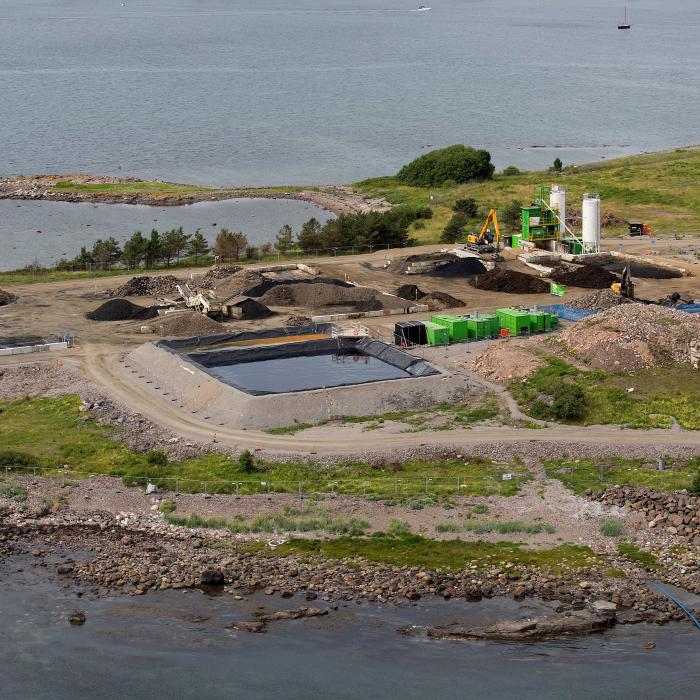
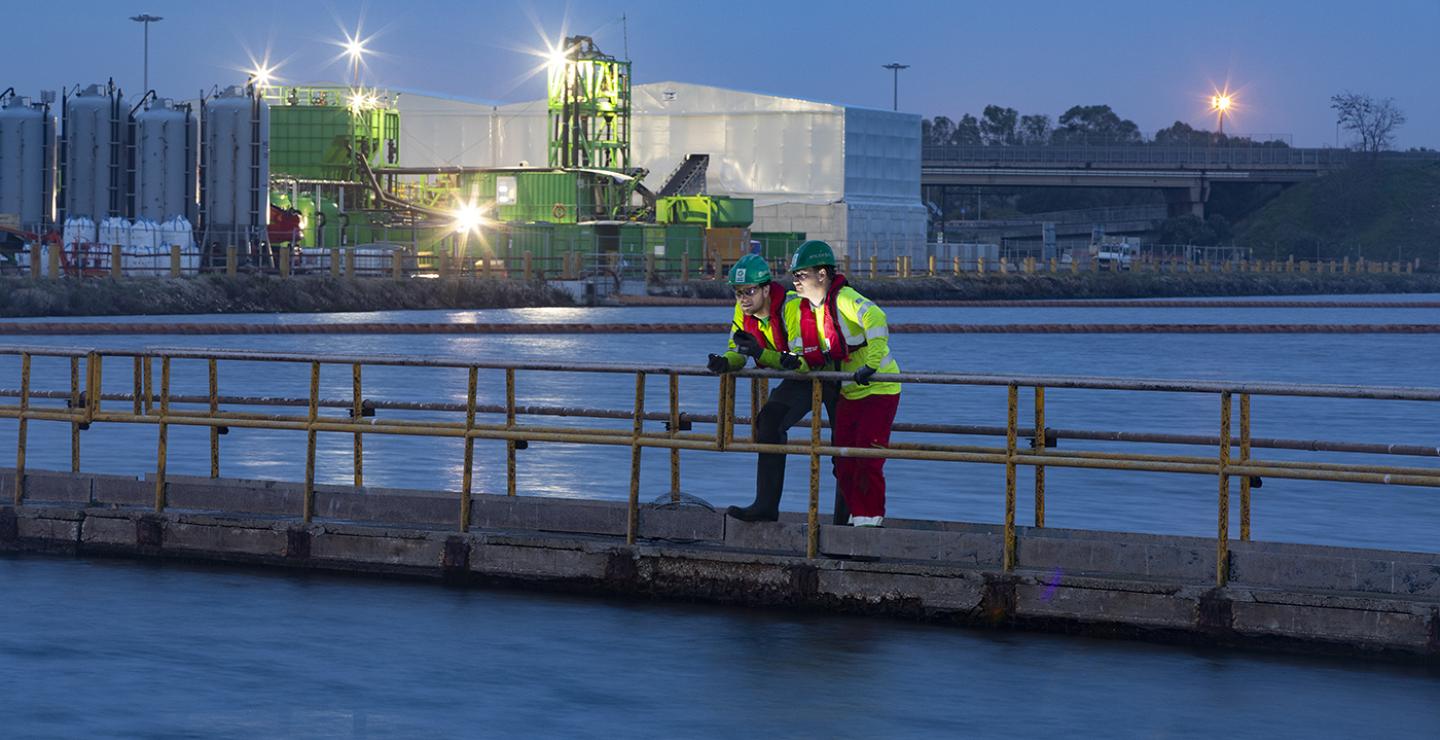
Taranto project

Soil remediation & brownfield development

Decades of expertise in sustainable remediation

Soil remediation is a core speciality of DEME and we have a leading position in this sector. More than 20 years ago we founded the most advanced soil treatment centre in Europe and now we have a network of facilities in strategic locations in Belgium and France.

We offer both tailor-made, in-situ, treatment solutions or customers can use one of our strategically located,treatment centres. In line with our sustainable goals we always aim to turn the reclaimed soil into reusable materials for construction and other purposes.

Proactive brownfield development

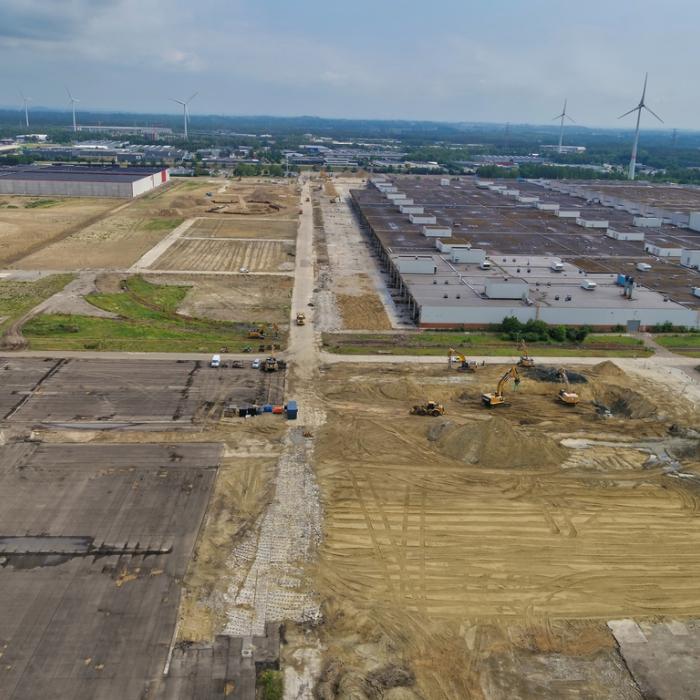
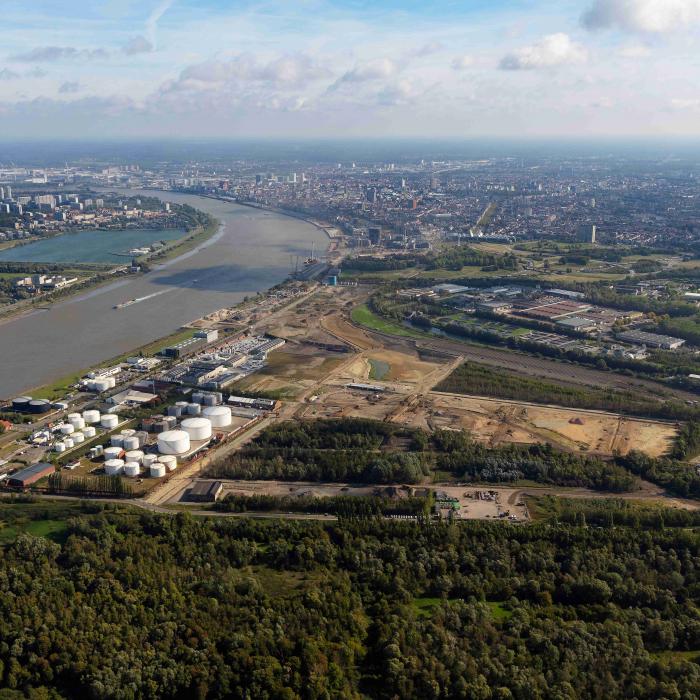
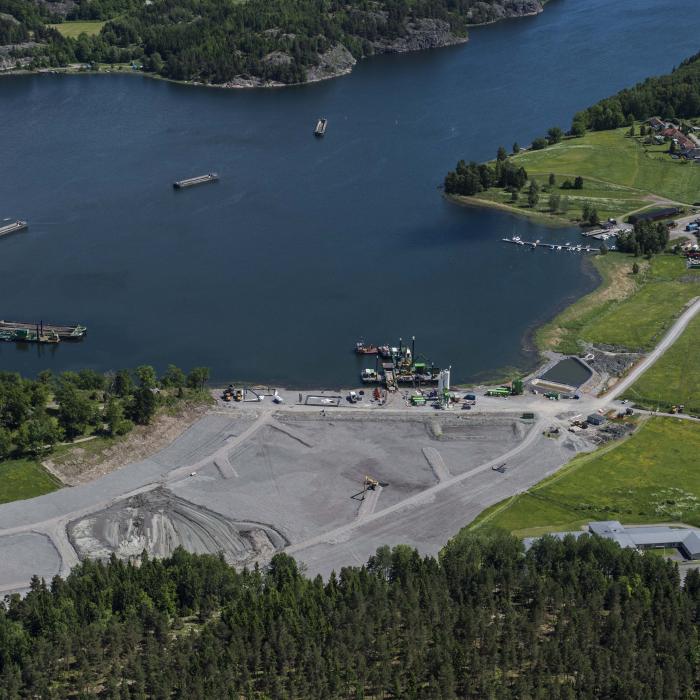
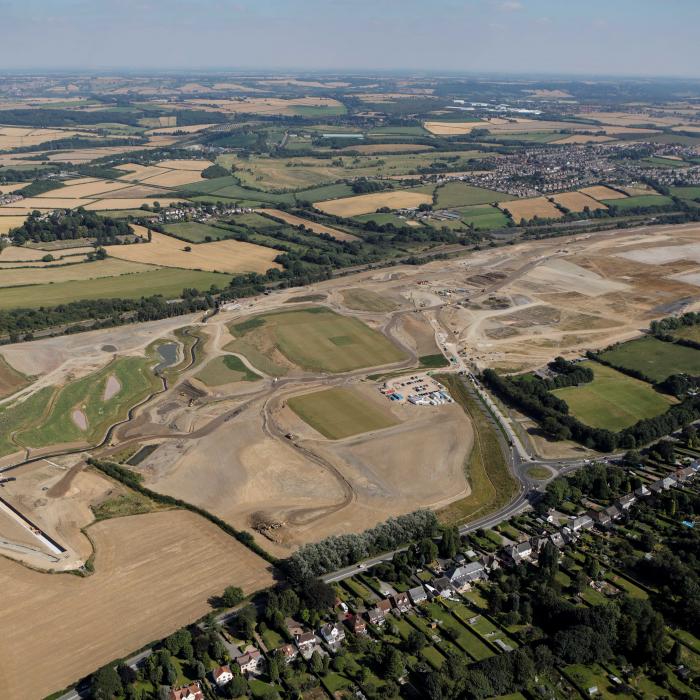
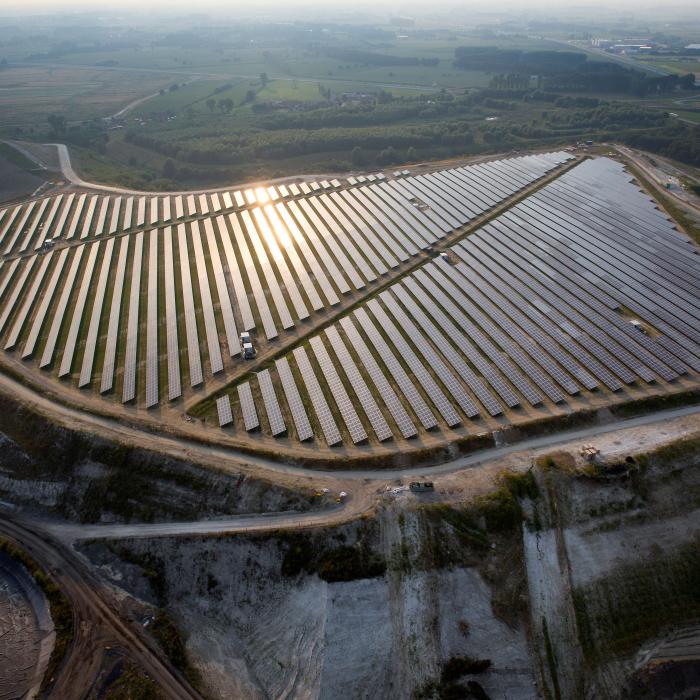
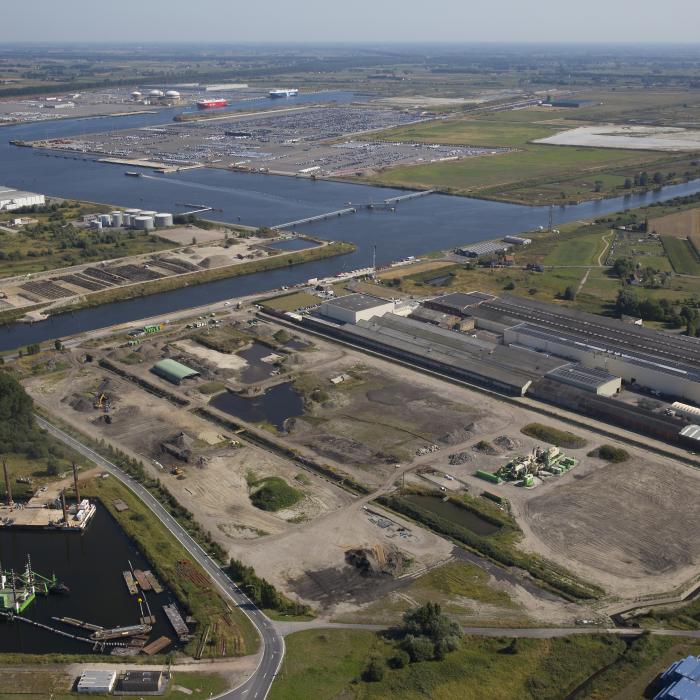
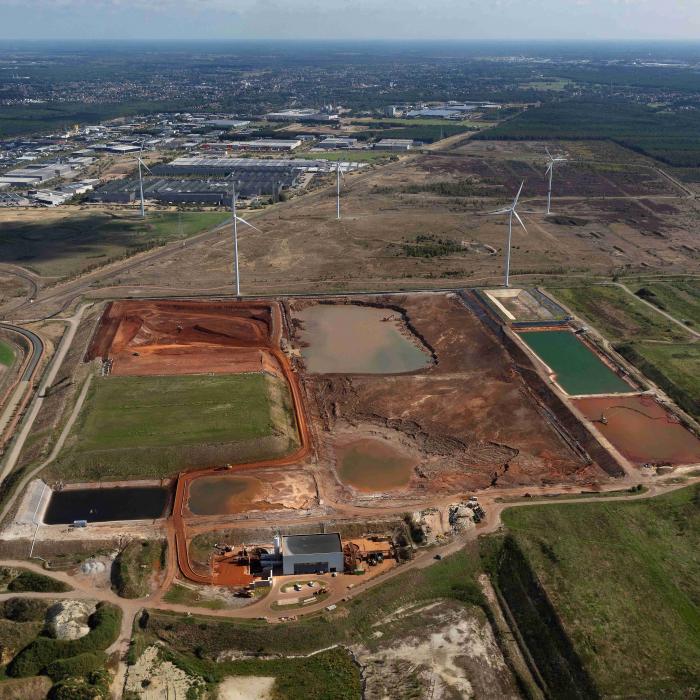
Our vision for a sustainable future is also reflected when it comes to brownfield site development. Brownfield sites are disused industrial areas where economic activities are severely impeded or rendered impossible due to historic contamination of the soil and groundwater. Here we take on a very proactive role in sourcing and developing potential remediation projects, alongside our development partners. DEME identifies polluted industrial sites and approaches the owners regarding the possibility of redeveloping them into new business parks, residential and recreational areas. We can provide an integrated range of solutions including polluted soil and river decontamination and treatments for soils and dredged sediments. Given the complex nature of the redevelopment of heavily polluted industrial sites, projects are often based on a design, build and finance approach.

In-situ soil remediation & Mobile treatment plants

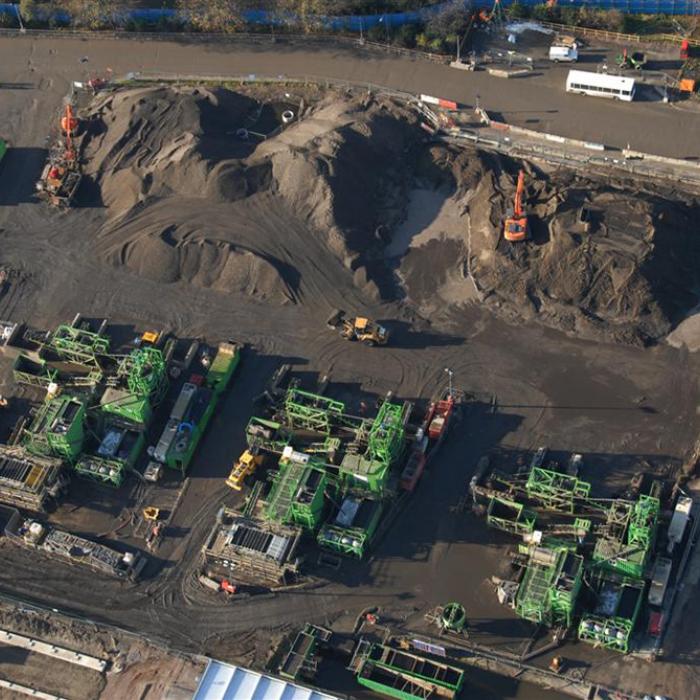
As well as our extensive network of fixed soil and sediment recycling centres, we also offer customers the flexibility of mobile treatment plants. We have designed, developed and built a number of mobile soil washing and recycling systems that can be employed worldwide for on-site treatment and recycling of contaminated soil. This includes our mobile thermal desorption plant which is designed to handle the most heavily contaminated soils.

Our portable plants can be deployed across the globe for on-site treatment and the recycling of contaminated soil, avoiding unnecessary soil transportation and disposal costs for the customer. This is a very effective technique to remediate soil, removing a large number of organic and inorganic contaminants.

Our broad portfolio of specialist techniques enables us to offer customers a tailored solution, which could involve several techniques used in combination.

Techniques include:

  • Extracting soil vapour, groundwater, floating layers or sediment layers
  • Soil vapour extraction and compressed air injection into soil
  • Chemical oxidation
  • Bioremediation: aerobic/anaerobic
  • Reactive permeable barriers

Recycling centers for off-site soil treatment

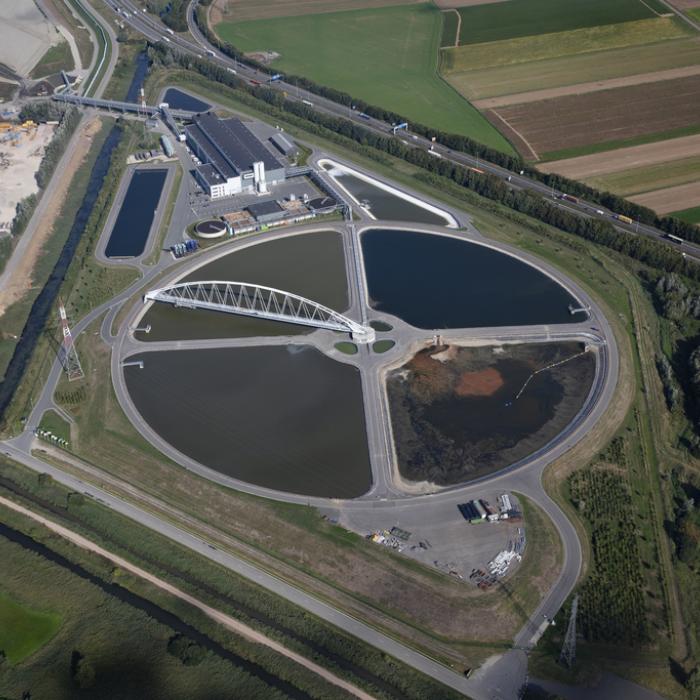
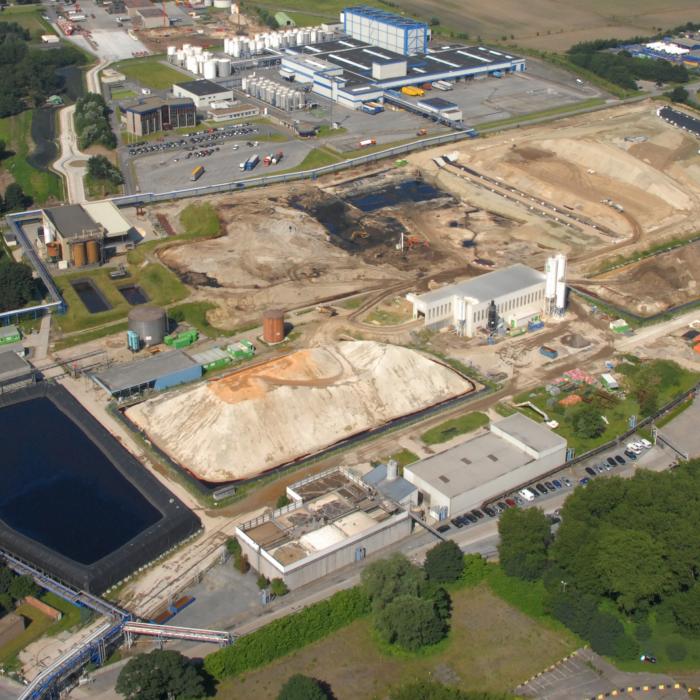
DEME operates a network of 14 strategically located recycling centers across Belgium, the Netherlands, and France. The largest facility can process up to 400,000 tons annually. 

The recycling centers are equipped to treat dredged sediment, soil and inorganic mineral waste streams. For the collection, treatment and recycling of these streams we provide innovative, tailor-made solutions. Our various treatment and dewatering technologies include unloading, screening, filter press dewatering, heavy metal stabilization, chemical immobilization, bioremediation, thermal treatment, physio-chemical soil treatment, sediment quality control, debris management, and material recycling and reclamation.

We have 14 recycling centers, of which four are in Wallonia, one in France, one in The Netherlands and 6 in Flanders.

  • In Wallonia, we have 4 recycling centers: RC Charleroi Petit Try, RC Liège, RC Tubize and Sedisol. Each recycling centre is specialized in accepting and treating particular types of materials.
  • In France, we have RC Wambrechies. This is a combined recycling centre, which is designed to treat contaminated soil, dredged sediment, and inorganic mineral waste streams. The centre is located along the river Deule.
  • In the Netherlands, we have: RC Den Helder. This is located in the north of the Netherlands and focuses on PFAS contaminated soil and debris, dredging and offschore waste sediments.
  • In Flanders, we have six recycling centers: GRC Kallo, GRC Zolder, RC Antwerpen, RC Deinze, RC Desteldonk, RC Gent, RC Puurs, RC Zeebrugge. Each recycling centre is specialized in accepting and treating particular types of materials.

All of the treatment centers are located near waterways and, in an effort to offer sustainable solutions, we encourage companies to carry out the transport of the polluted and treated soils, sediments or waste steams by water.

The recycling centers are dedicated to implementing effective and long-lasting strategies for managing polluted soil, sediments and diverse inorganic mineral materials. They use a wide range of tested and proven techniques as mentioned above. For more information on DEME Environmental and the treatment centers please use this link .

Environmental dredging & sediment treatment

Precision dredging to minimise environmental impact

Environmental dredging

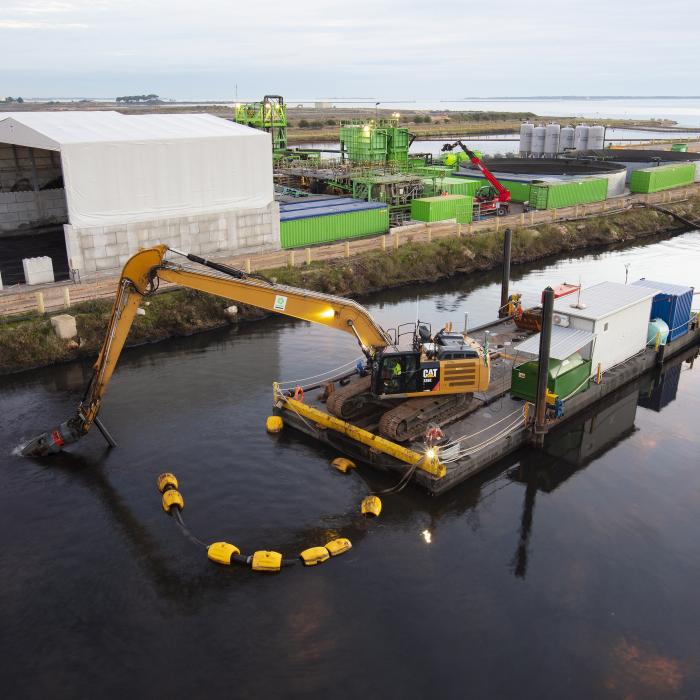
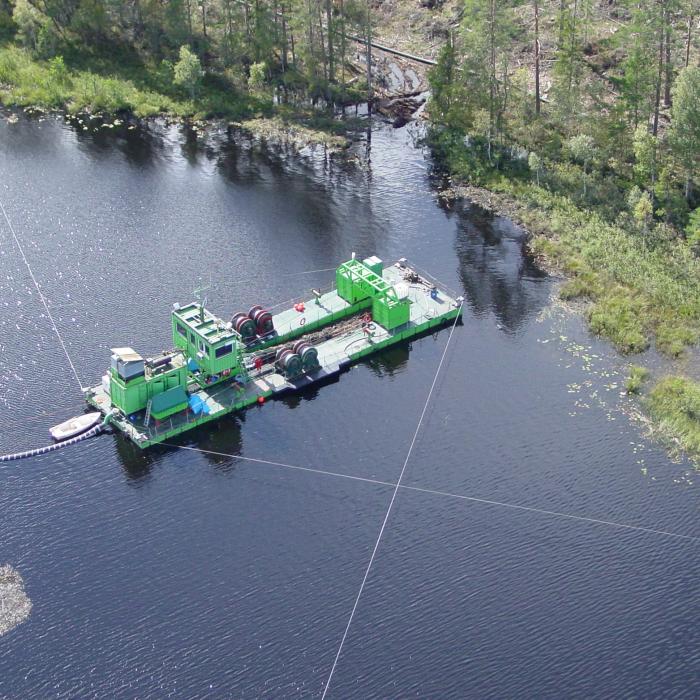
Deploying decades of experience, our advanced, environmental dredging techniques enable us to achieve the necessary high concentration of sediment with low turbidity during our dredging projects.

If the sediment is contaminated, we can deploy environmental dredging rigs, together with an additional silt screen if necessary. Our dredging rigs are equipped with ultra-modern positioning and monitoring systems, which enable us to perform precision dredging, meaning that any disturbance of the aquatic environment is kept to an absolute minimum.

Sediment Treatment

We have been a frontrunner in the treatment of sediment and sludge and their recycling techniques for decades. Some of these technologies, such as Soft Soil Improvement®, have been specifically developed for in-situ treatment, while others are used on a daily basis in our dedicated, sediment processing centres.

Our sediment treatment techniques include:

Dewatering

  • Natural dewatering in lagoon fields
  • Mechanical dewatering (chamber filter compression, membrane compression, sieve belt presses)
  • Geotubes
  • In-situ consolidation via horizontal or vertical drains
  • Vacuum consolidation


Sludge stabilisation

  • Soft Soil Improvement®
  • Consolidation via horizontal or vertical drains
  • Vacuum consolidation
  • Immobilisation
  • Cold immobilisation
  • Chemical immobilisation
  • Remediation
  • Bioremediation/land farming
  • Physical/chemical treatment
  • Flotation techniques
  • Sand/sludge separation via hydrocyclone or sand separation techniques

Water treatment

Innovative, sustainable solutions for contaminated water

As well as having decades of expertise in soil remediation, DEME is equally at home when it comes to the high-tech treatment of industrial and domestic wastewater, landfill leachate and contaminated groundwater. We always aim for sustainable solutions tailored to our customers’ requirements.

Industrial wastewater

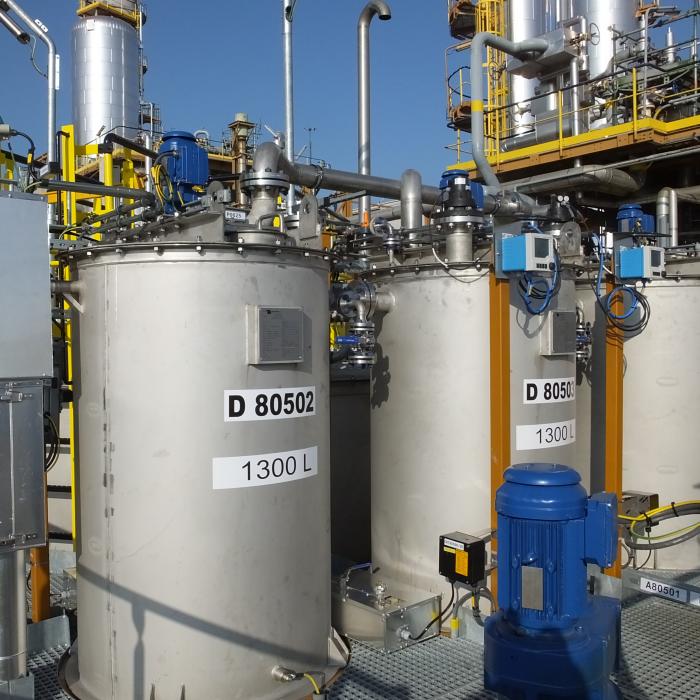
DEME has gained considerable experience in the design, construction and operation of treatment plants, ranging from small, reed bed systems to large, high-tech treatment plants for industrial wastewater from various sectors, ranging from the petrochemical and pharmaceutical industries to the mining and metals’ sectors.

Contaminated ground water and drainage water

Often soil remediation projects are coupled with the remediation of ground and drainage water. For short-term drainage or soil remediation works, temporary and mobile water treatment plants are available, while for long-term projects, permanent water treatment plants can be designed. Additionally, we can take care of the monitoring and maintenance of these facilities for customers if required.

Landfill leachate

Over the years, we have designed and constructed many water treatment plants at various soil remediation and sludge treatment centres, as well as landfills, which are then operated by us. We have built up a vast bank of knowledge and specific expertise to tackle heavily contaminated and difficult to treat drainage water and leachate.

Production of process water

Due to an increasing water shortage as the global population and industrial demand grows, an in-house supply of process water and water recycling within companies is becoming increasingly important. We offer our customers reliable, tailored solutions whereby various grades of process water can be produced starting with surface water, groundwater, sea water and even wastewater.

Related jobs

All jobs

Latest projects

Contact our global office if you have questions or in need of more information.
Feel free to contact us!